SugarMute Review 2026 - Advanced Blood Sugar Support
Blood Sugar in America: Why Millions Feel “Off” Every Day — and What Actually Helps

Most Americans don’t wake up thinking about blood sugar.
They wake up tired.
They wake up hungry sooner than expected.
They wake up feeling like they never fully recharge, no matter how much sleep they get.
For years, blood sugar sounded like a clinical issue — something that mattered only if a doctor told you it mattered. Something reserved for exam rooms, prescriptions, and lab reports.
That framing no longer fits reality.
Today, blood sugar quietly shapes how millions of Americans feel every single day, whether they’ve ever been diagnosed with anything or not. It influences energy levels, appetite control, mood stability, focus, sleep quality, and how stubborn weight becomes over time.
That’s why search terms like blood sugar, high blood sugar, low blood sugar, and how to reduce sugar intake keep rising across the United States.
Not because people suddenly became obsessed with glucose numbers.
But because they’re tired of feeling like their body is constantly working against them.
Sugar Was Never the Real Enemy — Instability Is
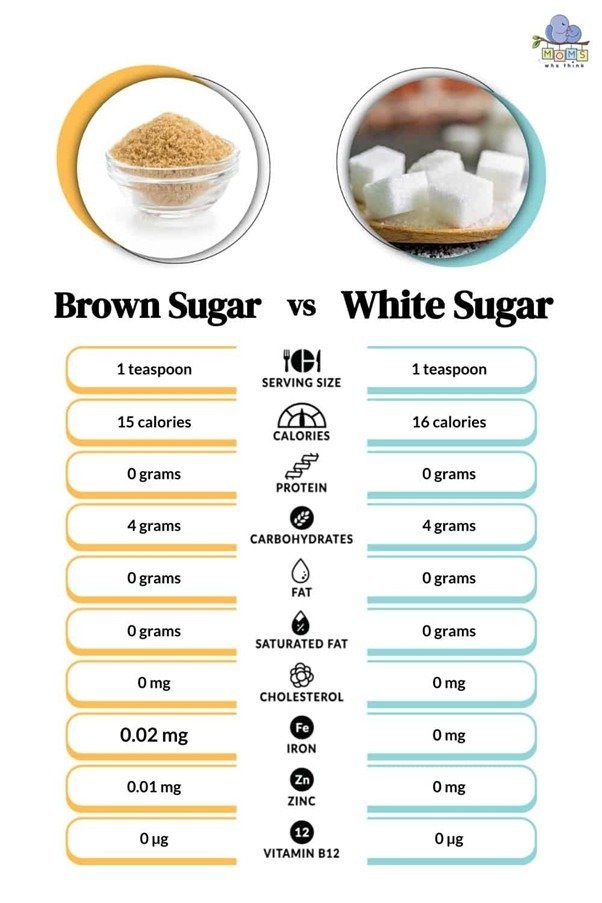
One of the most damaging myths in modern nutrition is the idea that sugar itself is the villain.
Human beings have consumed sugar for thousands of years. Cane sugar, fruit sugar, date sugar, honey — these existed long before widespread metabolic problems appeared.
What changed wasn’t sugar.
What changed was how fast sugar enters the bloodstream, how often it happens, and what else is missing from the diet when it does.
In the modern American food environment, sugar is refined, concentrated, and stripped of its natural context. Fiber is removed. Meals are rushed. Stress hormones remain elevated. Ultra-processed foods dominate daily intake.
When sugar enters the bloodstream too quickly, insulin must respond aggressively. That response creates a short-lived sense of energy or satisfaction, followed by a drop.
That drop doesn’t just affect physical energy. It affects mood, patience, decision-making, cravings, and hunger signals. It pushes people back toward quick sugar again, restarting the cycle.
This isn’t a discipline problem.
It’s predictable biology reacting to modern conditions.
High Blood Sugar and Low Blood Sugar Are Often the Same Story
Many people believe blood sugar problems are binary. You either have high blood sugar or low blood sugar.
In real life, most people experience both — often within the same day.
When blood sugar stays high, people commonly notice persistent fatigue, increased thirst, mental fog, and stubborn abdominal weight. They feel heavy, slow, and mentally dull.
When blood sugar drops too low, the experience is different but just as disruptive. Shakiness, irritability, headaches, lightheadedness, and intense cravings for quick carbohydrates appear suddenly and urgently.
The real suffering doesn’t come from either extreme. It comes from the constant swinging between them.
This is why so many people describe their experience not as illness, but as imbalance. They say things like:
“I eat and then crash.”
“I’m hungry again way too soon.”
“I never feel steady.”
Cutting sugar alone rarely fixes this. Skipping meals often makes it worse. Extreme diets amplify the swing instead of calming it.
What people actually need is support for regulation, not punishment.
Why “How to Reduce Sugar Intake” Keeps Exploding in Searches
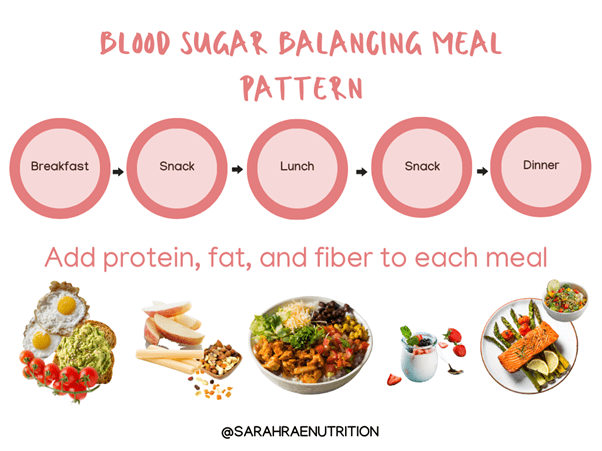
Americans aren’t searching for how to eliminate sugar forever.
They’re searching for how to stop craving it constantly, how to avoid afternoon crashes, how to eat without fear, and how to feel normal again.
This shift matters.
Because the most sustainable solutions don’t come from restriction. They come from supporting the systems that manage sugar.
That means slowing digestion so glucose enters the bloodstream gradually. It means improving insulin sensitivity so the body doesn’t overreact. It means supporting gut health so metabolic signaling functions properly. It means staying full longer so cravings don’t hijack decisions.
This is where nutrition and lifestyle changes matter — and where supplements can play a role if they’re designed responsibly.
Where Supplements Fit — and Why Most Blood Sugar Supplements Fail
Let’s address skepticism directly.
The supplement industry has earned it.
Most blood sugar supplements fail because they promise dramatic results, rely on aggressive compounds, ignore real-world consistency, or create rebound effects.
Some try to force blood sugar down unnaturally. Others rely on stimulants that mask symptoms briefly while worsening instability later. Many focus on one trendy ingredient without supporting the rest of the metabolic system.
A responsible supplement shouldn’t fight the body.
It should support the body’s existing regulatory systems gently, consistently, and safely.
That is the framework used to evaluate SugarMute.
SugarMute Review: What It Claims — and What It Intentionally Avoids
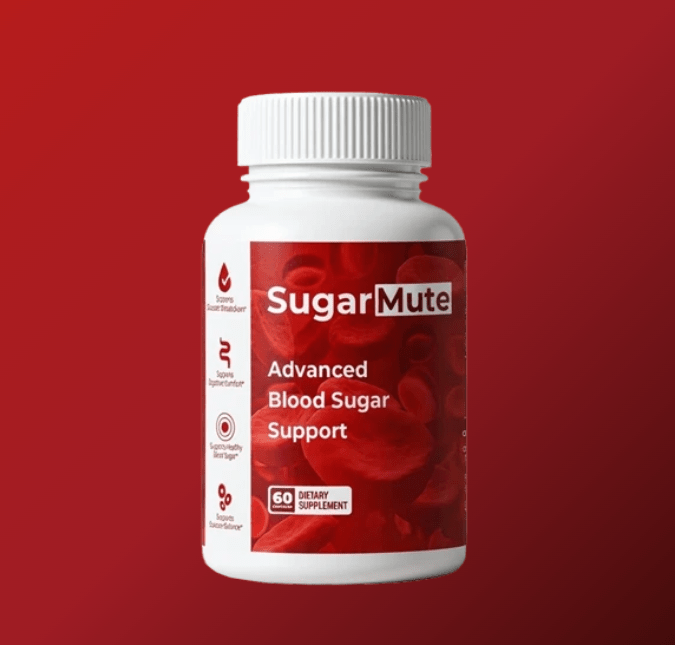
SugarMute positions itself as a daily blood sugar support supplement, not a medication and not a cure.
Its intended role is to support smoother post-meal glucose handling, reduce sharp spikes and crashes, help manage cravings indirectly, and support long-term metabolic balance.
Equally important is what it does not claim.
It does not promise to cure diabetes.
It does not promise instant glucose drops.
It does not suggest you can eat unlimited sugar without consequences.
That restraint matters. It signals a product designed for long-term use, not impulse buying driven by fear or desperation.

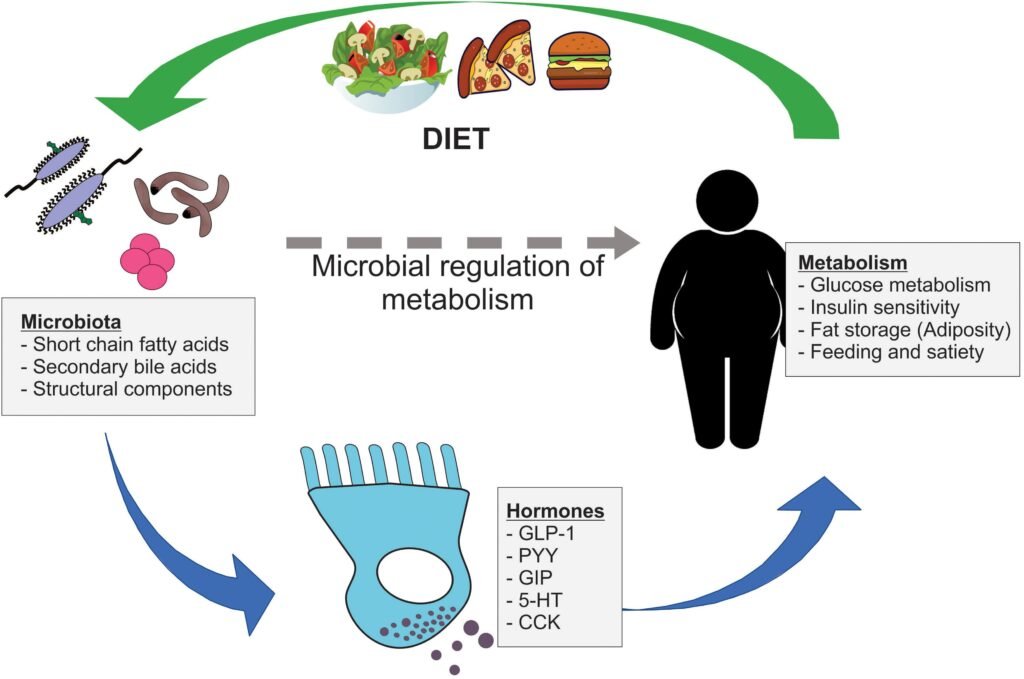
SugarMute does not rely on a single “miracle” ingredient. Instead, it uses a systems-based formulation that targets digestion, absorption, and metabolic signaling together.
Blood sugar regulation does not happen in one organ. It is influenced by how food is digested, how quickly carbohydrates are absorbed, how the gut communicates with insulin signaling, and how consistent daily habits are.
Soluble fibers such as glucomannan and flaxseed slow carbohydrate absorption, reducing post-meal spikes and the crashes that follow. Digestive and gut-supportive ingredients help maintain a healthier environment for insulin sensitivity and metabolic signaling. Plant-based compounds traditionally associated with metabolic balance contribute additional support when paired with dietary awareness.
None of these ingredients are extreme.
That is intentional.
They are meant to be taken daily, without shocking the system.
Why Gentle Support Beats Aggressive “Glucose Hacks”
Aggressive blood sugar manipulation often backfires.
When glucose is forced down too quickly, hunger spikes, cravings intensify later, energy crashes harder, and adherence collapses. The body resists extremes.
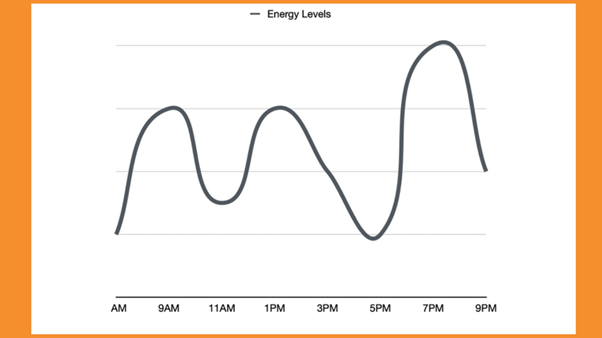
Gentle blood sugar support reshapes the curve instead of forcing the number. Slower absorption leads to smaller spikes, softer drops, and steadier energy.
This approach isn’t exciting.
It isn’t dramatic.
And it’s exactly why it works.
Blood Sugar, Stress, and the Nervous System
Blood sugar does not operate in isolation.
Stress hormones like cortisol directly influence glucose release and storage. Chronic stress raises baseline blood sugar, reduces insulin sensitivity, intensifies cravings, and disrupts sleep.
Poor sleep then worsens blood sugar control the next day.
This creates a loop: stress leads to blood sugar instability, which leads to cravings, which disrupt sleep, which increases stress.
Breaking that loop requires support, not restriction.
What “Good” Blood Sugar Support Actually Feels Like
Most people don’t feel fireworks.
They don’t wake up one morning and say, “My blood sugar dropped overnight.”
They say things like, “I don’t crash after meals anymore,” or “My cravings don’t feel urgent,” or “My energy feels smoother throughout the day.”
That subtlety is not weakness.
It’s sustainability.
Blood Sugar and Weight: The Overlooked Relationship
Blood sugar instability and weight resistance are tightly linked.
When blood sugar spikes frequently, insulin remains elevated, fat storage is prioritized, and hunger signals intensify. This is why people can reduce calories and still feel stuck.
Stabilizing blood sugar does not guarantee weight loss.
But unstable blood sugar almost guarantees resistance to it.
Blood Sugar and Weight: The Overlooked Relationship
Telling someone to eat less sugar sounds simple.
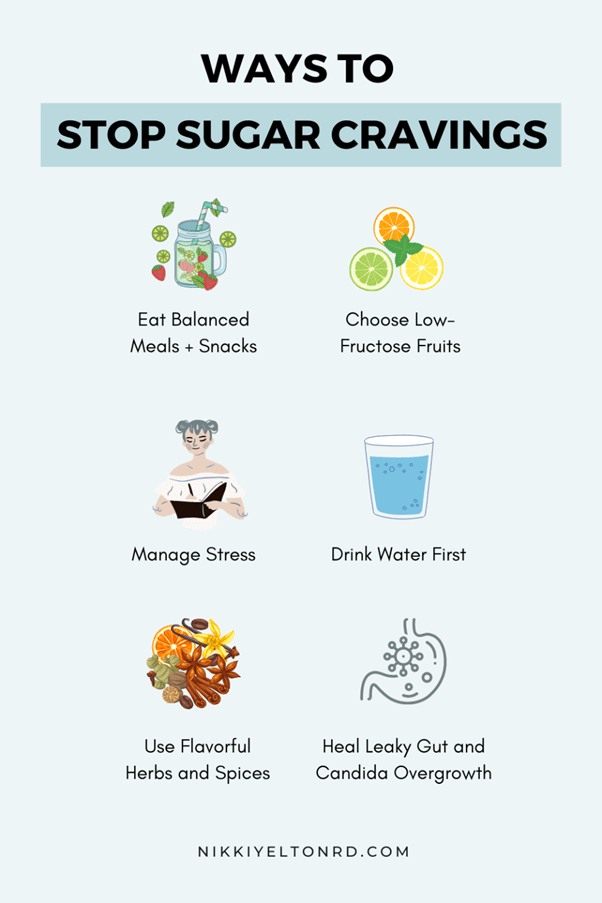
In practice, it fails because sugar is often a response, not the root cause. A response to crashes, stress, poor sleep, lack of fiber, and skipped meals.
When blood sugar drops too fast, cravings become urgent. At that point, willpower is already gone.
Supporting regulation before cravings appear is what actually changes behavior.
Who SugarMute Is Most Relevant For
SugarMute may be a reasonable option for people who feel drained or foggy after meals, struggle with sugar cravings, are actively trying to reduce sugar intake, want non-stimulant support, and prefer plant-based formulations.
Especially for those who feel, “I’m not sick — but I’m not thriving either.”
Who Should Pause and Speak With a Professional
Anyone taking blood sugar-lowering medications, managing diagnosed metabolic conditions, or who is pregnant or breastfeeding should consult a healthcare professional before using any supplement.
No supplement replaces medical care.
Blood sugar stability does not change in a week.
It is shaped by habits, digestion, sleep, and stress. A 90-day guarantee allows enough time for real evaluation without financial pressure.
That shifts risk away from the buyer. Buddy,
If you’ve read this far, you’re not impulsive.
You research.
You hesitate.
You avoid hype.
And here is the uncomfortable truth: if blood sugar instability were going to fix itself, it already would have.
Doing nothing isn’t neutral.
It has a direction.
Reducing the Choice to Logic
SugarMute does not promise cures.
It uses non-stimulant, fiber-focused ingredients.
It aligns with how blood sugar regulation actually works.
It fits real American lifestyles.
It comes with a long refund window.
You’re not committing.
You’re testing.
Final Verdict: Is SugarMute Worth Trying?
SugarMute isn’t flashy. It isn’t aggressive. It doesn’t promise miracles.
What it offers is a logic-driven formulation, alignment with metabolic science, compatibility with daily life, and low downside due to a 90-day guarantee.
For someone serious about supporting healthy blood sugar and reducing sugar intake, SugarMute is a reasonable, low-risk option to evaluate.
Sometimes the smartest health decisions aren’t loud.
They’re the ones you quietly stick with — starting today.
So Ask yourself today. You have tried evertything already right? I believe its worth a shot for your health. Go ahead and try for 90 days otherwise full money refund. Win-win situation.
— Reviewed by Amey 🙂