The Smoothie Diet Review (2026)
Why People Who “Tried Everything” Are Quietly Losing Weight With This 21-Day System

At 6:12 AM, Rohit was standing in front of his bathroom mirror, stomach sucked in, holding his breath.
Again.
He’d done this ritual for years. Tilt the mirror slightly. Adjust the light. Turn sideways. Pretend things weren’t as bad as they felt.
Then exhale… and watch everything fall forward again.
That moment — the exhale — is when the shame hits.
Not loud shame. Quiet shame.
The kind that says, “You know better. Why can’t you just do better?”
Rohit wasn’t stupid. He worked in IT. He read labels. He knew calories.
He’d tried keto, intermittent fasting, home workouts, gym memberships that expired unused.
Nothing stuck.
And the worst part wasn’t the weight.
It was the feeling that he couldn’t trust himself anymore.
If that sentence hits uncomfortably close, this The Smoothie Diet review is for you.
Why Weight Loss Stops Being Physical After a While?
Here’s something most “experts” won’t tell you.
After you fail enough times, weight loss stops being about food and becomes about self-belief erosion.
You stop asking, “What should I eat?” You start asking, “What’s the point?”
Every failed attempt trains your brain to expect failure next time.
So even before you start, you’re already tired.
That’s why extreme diets don’t work for people who’ve already failed a lot. They demand belief before they earn it.
The Smoothie Diet works from the opposite direction.
It doesn’t ask you to believe.
It asks you to follow instructions for one day.
Then another. Then another.
What The Smoothie Diet Actually Is (Strip the Marketing Away)
Let’s be very clear, because clarity builds trust.
The Smoothie Diet is not a miracle.
It’s not detox magic.
It’s not fat melting fairy dust.
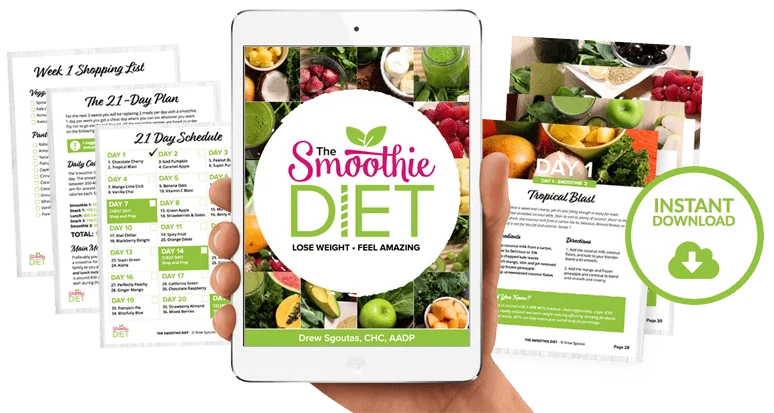
It’s a 21-day behavioral reset system that uses smoothies as the delivery vehicle.
You drink two smoothies per day.
You eat one solid, sensible meal.
You follow a schedule that tells you exactly what to do.
No improvisation. No creativity. No decision-making.
And that’s the entire point.
Most people don’t fail because the food is wrong.
They fail because they have to decide again and again.
The Smoothie Diet removes that friction.
Safety, Science & What to Expect
Even though smoothies feel simple and “healthy,” changing your diet quickly can still affect your body. When people start The Smoothie Diet, some notice temporary effects like bloating, gas, mild headaches, or low energy—especially during the first few days. These are usually normal adjustment signals as your body adapts, not instant red flags. This The Smoothie Diet Review treats them as things to monitor, not panic over.
If you have diabetes, blood sugar concerns, kidney issues, or take medications where food timing matters, extra caution is important. Some smoothie recipes can be high in fruit sugar if not balanced properly, and certain fruits and greens increase potassium levels—which can matter for people with kidney limitations. Blood thinners and thyroid medications can also interact with specific greens or supplements. That’s why this The Smoothie Diet Review strongly recommends checking with a healthcare professional if you fall into any of these categories.
The smartest safety approach is simple: start gradually, control portion sizes, balance fruit with protein and healthy fats, and don’t treat this plan as medical advice. If you’re pregnant, nursing, or managing a health condition, speak with a qualified professional before starting. This The Smoothie Diet Review supports common-sense decisions over blind commitment.
Evidence & Research — What Science Actually Says
No scientific study proves that one 21-day smoothie plan is a magic solution. However, research consistently shows that when people eat more whole foods, increase fiber intake, reduce ultra-processed snacks, and manage calories, they often see improvements in digestion, energy, and weight control. Smoothies can make it easier to consume fruits and vegetables regularly—and that’s where The Smoothie Diet fits in.
The risk comes when smoothies replace balanced meals without considering fullness. Liquids don’t always keep people satisfied, especially when blends are heavy on fruit and light on protein or fat. That’s why successful smoothie routines focus on structure: greens, fiber, protein, and healthy fats—not fruit alone. This The Smoothie Diet Review emphasizes that balance is what keeps hunger and cravings under control.
In practical terms, this plan works best as a tool. If your diet is currently chaotic, it can help bring order and consistency. If you already eat well, changes may be smaller. And if you expect instant results without lifestyle support, outcomes may be temporary. The Smoothie Diet Review is clear—it’s a framework, not a miracle.
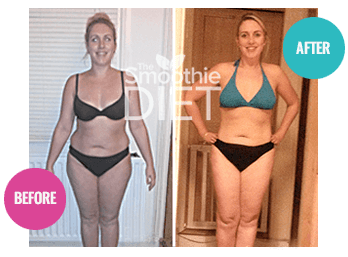
Dawn Lost 14 Pounds in 21 Days!
“I have just completed the Smoothie Diet.. Which in a word is FAB! The diet is very easy to get into, after only a few days I felt brilliant, full of energy! The smoothies are so tasty, filling and are never boring! I will continue to have smoothies every day as now it has become a way of life for me! If you are looking to lose weight and make a healthy life change then try this, – I couldn’t have asked for more than this! Thanks for everything!”
How It Works Inside Your Body
Most of the results from this plan come from behavior, not biology. The biggest benefit is reduced decision fatigue. When meals are pre-planned, you’re less likely to snack mindlessly or skip meals. This consistency is what drives visible change. That’s why this The Smoothie Diet Review describes it as a structure-and-compliance system.
From a nutrition perspective, well-built smoothies can increase fiber and micronutrient intake. Fiber supports digestion and helps regulate hunger signals. If your previous diet relied heavily on refined carbs or snacks, switching to planned smoothies can naturally reduce calories and improve food quality. However, results depend on your entire day of eating—not just one drink. This The Smoothie Diet Review stresses that point repeatedly.
Extreme approaches backfire. Eating too little leads to fatigue and irritability. Overloading fruit leads to sugar crashes. The smartest way to follow the plan is to keep it balanced and realistic: enough protein, enough fiber, proper hydration, and calories that match your body and activity level—exactly as this The Smoothie Diet Review recommends.
Ingredients Deep-Dive — What Really Matters
This program doesn’t rely on exotic ingredients. Most recipes use familiar smoothie staples: leafy greens, berries, bananas, seeds, nut butters, yogurt, or protein sources. Greens provide micronutrients, berries add fiber and antioxidants, seeds supply healthy fats, and protein improves satiety. The Smoothie Diet Review focuses on these basics because they determine whether you stay full or feel hungry all day.
Where many people struggle is imbalance. A smoothie made mostly of banana and juice behaves like dessert. A smoothie built with fiber, protein, and fats behaves like a meal. The best structure includes a greens base, a fiber source like chia or flax, a protein source, and limited fruit for taste. This The Smoothie Diet Review repeats this guideline because it prevents the most common complaint: constant hunger.
The takeaway is simple: choose recipes that help you feel satisfied. Satisfaction leads to consistency. If you’re hungry all the time, you’ll snack or quit. That’s not failure—it’s feedback. This The Smoothie Diet Review encourages small adjustments instead of giving up.
What Results to Expect — A Realistic Timeline
In the first week, many users notice less decision fatigue, fewer random snacks, and a more structured eating pattern. Some also experience reduced bloating if their previous diet was high in processed foods. This early momentum can be motivating, and The Smoothie Diet Review suggests using it to lock in prep habits early.
Weeks two and three are where discipline is tested. Boredom, social events, and prep fatigue often appear. People who succeed simplify—repeating a few favorite recipes and avoiding perfectionism. People who struggle often overcomplicate things or treat the plan like punishment. This The Smoothie Diet Review calls this difference friction management.
After 21 days, the biggest win isn’t dramatic weight loss—it’s having a routine you can continue. Results vary depending on calories, movement, sleep, and consistency. This The Smoothie Diet Review consistently frames the program as a structure tool, not a guaranteed outcome machine.
Who Should Avoid It
This plan may not be suitable for people with medical conditions requiring precise dietary control, such as diabetes, kidney disease, or severe gastrointestinal issues. If you take medications affected by food intake, professional guidance is essential. This The Smoothie Diet Review is clear about that boundary.
Lifestyle fit also matters. If you dislike smoothies, travel constantly, or struggle with restrictive eating patterns, forcing this plan can backfire. In those cases, a more flexible approach may be better. The Smoothie Diet Review prioritizes fit over hype.
Pros & Cons — Honest Breakdown
Pros:
Simple 21-day structure
Reduces food decision fatigue
Convenient way to increase fruit and vegetable intake
Cons:
Not ideal if you dislike smoothies
Requires prep and planning
Not personalized medical nutrition
Final Verdict — Should You Buy?
If you want a simple, structured 21-day reset and are willing to prep ingredients, The Smoothie Diet can be a helpful tool. Its real value lies in routine, clarity, and reduced decision fatigue—not in detox myths or magic promises. This The Smoothie Diet Review recommends using it as a habit-building framework.
If you hate smoothies, need personalized nutrition, or expect effortless results, skip it. In those cases, coaching-based programs or professional guidance are better options. Mismatch leads to frustration—and this The Smoothie Diet Review is honest about that.
Bottom line: Use The Smoothie Diet as a structure tool, keep expectations realistic, and remember that results depend on consistency, lifestyle, and overall diet quality.
If you’ve already put in efforts for reducing that tummy and still failed, I’d suggest to give it one last chance. You never know!
– Reviewed by Amey 🙂